Vietnam is quietly becoming the most popular “second international trip” for Indian travellers — the one they take after the usual Dubai or Thailand, and come back saying it was better than both.
The numbers explain why: flights from India start at ₹12,000–15,000 return during off-peak. The e-visa costs ₹1,500 and takes 3 days. A street food meal costs ₹100–250. And the destinations — Ha Long Bay’s limestone karsts, Hoi An’s lantern-lit streets, Sapa’s rice terraces, Da Nang’s beaches — deliver the kind of scenery that makes people stop scrolling. A 7-day Vietnam trip is genuinely possible for ₹50,000–75,000 per person from India.
This guide covers flights, visa, a realistic budget breakdown, a 7-day itinerary, the food situation (including honest vegetarian advice), and everything you need to actually book this trip.
Vietnam Trip Cost from India 2026
| Expense | Budget | Comfortable | Luxury |
|---|---|---|---|
| Return flights | ₹12,000–20,000 | ₹20,000–32,000 | ₹32,000–50,000 |
| E-visa | ₹1,400–1,600 | ₹1,400–1,600 | ₹1,400–1,600 |
| Accommodation (6 nights) | ₹5,000–10,000 | ₹15,000–30,000 | ₹40,000–90,000 |
| Food (7 days) | ₹3,500–6,000 | ₹7,000–14,000 | ₹15,000–30,000 |
| Internal transport | ₹3,000–6,000 | ₹6,000–12,000 | ₹10,000–20,000 |
| Activities & tours | ₹4,000–8,000 | ₹10,000–18,000 | ₹20,000–40,000 |
| Total per person (7 days) | ₹29,000–52,000 | ₹60,000–1,08,000 | ₹1,18,000–2,32,000 |
The exchange rate is the hidden superpower: 1 INR = ~286 Vietnamese Dong (VND). Everything feels absurdly cheap. A bowl of pho that would cost ₹500 in India costs ₹100 in Hanoi. A solid 3-star hotel room that would be ₹4,000 in India is ₹1,500 in Vietnam.
Vietnam Visa for Indians
E-visa: Apply on the official Vietnam immigration portal. Cost: ~$25 (₹1,400–1,600). Processing: 3 working days. Valid for 90 days, single or multiple entry. No embassy visit, no agent needed — just a passport scan, photo, and credit card.
Apply directly at the official government portal. Avoid third-party “visa service” websites that charge inflated fees for the same thing.
Flights from India to Vietnam
| Route | Airlines | Flight Time | Return Fare |
|---|---|---|---|
| Delhi → Hanoi | IndiGo, VietJet (via Bangkok/KL) | 5–8h | ₹15,000–32,000 |
| Mumbai → Ho Chi Minh City | IndiGo, VietJet, AirAsia | 5–9h | ₹18,000–35,000 |
| Chennai/Bengaluru → Da Nang | IndiGo, AirAsia (via KL) | 5–8h | ₹16,000–28,000 |
Open-jaw hack: Fly into Hanoi (north), travel south overland/domestically, fly home from Ho Chi Minh City (south). This way you see the whole country without backtracking. Compare multi-city routes on FareEagle.
Best Time to Visit Vietnam
February–April: Best all-round weather across the country. Dry, warm, and comfortable. Peak tourist season — book early.
September–November: Shoulder season with good deals. Occasional rain in the north, but short bursts. Ha Long Bay and Hoi An are less crowded.
May–August: Hottest and wettest period. Cheapest flights and hotels (30–40% savings). Best for budget travellers who don’t mind brief afternoon showers.
7-Day Vietnam Itinerary
Day 1: Arrive Hanoi
Land at Noi Bai Airport, taxi/Grab to the Old Quarter (₹400–600). Check into a hotel (₹1,000–2,500/night in the Old Quarter). Walk around Hoan Kiem Lake, visit Ngoc Son Temple. Try your first pho (beef noodle soup, ₹80–150) and egg coffee (a Hanoi specialty — coffee with whipped egg yolk on top, ₹100). Evening: street food crawl through the Old Quarter’s “Bia Hoi Corner” — where fresh draught beer costs ₹30 per glass.
Day 2: Hanoi City
Morning: Ho Chi Minh Mausoleum, Presidential Palace, Temple of Literature (Vietnam’s oldest university). Afternoon: Vietnamese Women’s Museum or Hoa Lo Prison (“Hanoi Hilton”). Evening: Water puppet show at Thang Long Theatre (₹200–300) — a uniquely Vietnamese art form. Dinner: bun cha (grilled pork with noodles — the dish Obama ate with Anthony Bourdain, ₹100–200).
Day 3–4: Ha Long Bay Overnight Cruise
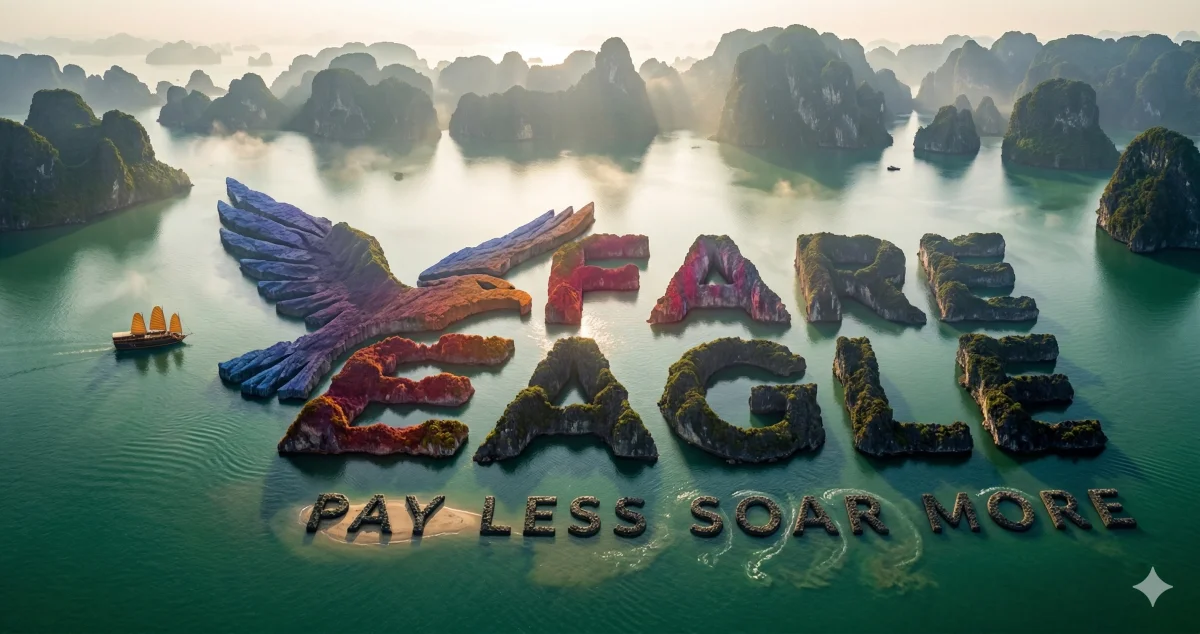
Depart Hanoi early morning for Ha Long Bay (3–4 hours drive). Board an overnight cruise through 1,600+ limestone islands rising from emerald water — a UNESCO World Heritage Site and Vietnam’s most iconic landscape. The cruise includes cave visits, kayaking, swimming, sunset viewing, and seafood dinner on board. Budget cruise: ₹3,500–5,000/person (shared cabin). Mid-range: ₹7,000–12,000 (private cabin, better boat). Return to Hanoi Day 4 afternoon.
Important: Do the overnight cruise, not a day trip. The difference between seeing Ha Long Bay from a cheap day boat and spending the night on the water is immense. The sunset and sunrise over the karsts are the best part.
Day 5: Fly Hanoi → Da Nang, drive to Hoi An
Morning flight Hanoi to Da Nang (₹1,500–3,000 on VietJet or Bamboo Airways, 1.5 hours). Taxi/Grab from Da Nang to Hoi An (30 min, ₹500). Check into Hoi An — a beautifully preserved ancient trading port where the entire Old Town is a UNESCO World Heritage Site. Afternoon: wander through the lantern-lit streets, Japanese Covered Bridge, Chinese assembly halls. Evening: Hoi An is magical at night when hundreds of silk lanterns glow along the Thu Bon River. Get a custom suit or dress made — Hoi An is famous for its 24-hour tailors who make high-quality garments for a fraction of international prices (₹2,000–5,000 for a custom suit).
Day 6: Hoi An + Ba Na Hills
Option A: Day trip to Ba Na Hills — home to the viral Golden Bridge (a walkway held up by giant stone hands). Cable car, French Village, fantasy park. Entry + cable car: ₹2,500–3,000. Touristy but undeniably photogenic.
Option B: Rent a bicycle and explore Hoi An’s countryside — rice paddies, water buffalo, vegetable villages. Take a cooking class (₹1,000–2,000) that starts with a market tour and ends with you making spring rolls and pho. Afternoon: An Bang Beach (Hoi An’s beach, 4 km from Old Town). Evening: final Hoi An sunset from the riverside.
Day 7: Da Nang → Departure (or extend to HCMC)
If flying home from Da Nang: morning at My Khe Beach (one of Asia’s best urban beaches), then fly home.
If extending: fly Da Nang → Ho Chi Minh City (₹1,500–2,500, 1.5 hours). Add 2–3 days for HCMC: Cu Chi Tunnels (Vietnam War history), Ben Thanh Market, Mekong Delta day trip, and the buzzing street food scene of District 1.
Vietnamese Food: What to Eat (and Vegetarian Reality Check)
Pho — The iconic beef or chicken noodle soup. Breakfast, lunch, or dinner. ₹80–150 from street stalls. The broth is simmered for hours and it shows.
Banh mi — A Vietnamese baguette sandwich with pate, pickled vegetables, herbs, and meat. ₹50–100. One of the world’s greatest street foods.
Bun cha — Grilled pork patties served with rice noodles and herbs. Hanoi’s signature dish. ₹100–200.
Banh xeo — Crispy Vietnamese crepes filled with shrimp, pork, and bean sprouts. ₹100–200.
Ca phe sua da — Vietnamese iced coffee with condensed milk. Strong, sweet, addictive. ₹50–80 everywhere.
Vegetarian Reality
This is where honesty matters: Vietnam is not easy for strict vegetarians. Fish sauce (nuoc mam) is the backbone of Vietnamese cooking — it goes into almost everything, including dishes that look vegetarian. However, there are workable options:
Com chay restaurants: Buddhist vegetarian restaurants are common in all Vietnamese cities. Look for signs saying “Cơm Chay” — they serve entirely plant-based meals for ₹80–150.
Indian restaurants: Available in Hanoi, HCMC, and Da Nang. Expect ₹300–500 per meal — pricier than local food but reliable.
Communicate clearly: Learn “toi an chay” (I eat vegetarian). Even then, fish sauce may sneak in. If you’re strict, stick to com chay restaurants.
Practical Tips
Currency: Vietnamese Dong (VND). 1 INR ≈ 286 VND. Carry USD to exchange on arrival, or withdraw VND from ATMs with a zero-forex card. Cards accepted at hotels and larger restaurants; cash essential for street food and markets.
Getting around: Grab (Southeast Asia’s ride-hailing app) works perfectly in all Vietnamese cities. Domestic flights between cities are cheap (₹1,500–3,000 on VietJet or Bamboo Airways). Sleeper buses connect cities overnight for ₹500–1,500.
SIM card: Buy at the airport for ~₹600 with generous data. Viettel or Mobifone are the main providers.
Safety: Vietnam is very safe for tourists. The main annoyances are motorbike traffic (crossing the street in Hanoi is an experience — walk slowly and steadily, don’t stop suddenly) and occasional tourist scams (always agree on prices before taking a cyclo or buying at markets).
Bargaining: Expected at markets and with street vendors. Start at 40–50% of the asking price and settle around 60–70%. Fixed-price shops and restaurants don’t require bargaining.
Frequently Asked Questions
How much does a Vietnam trip cost from India?
A 7-day budget trip costs ₹29,000–52,000 per person. Comfortable: ₹60,000–1,08,000. Vietnam is one of the cheapest international destinations from India thanks to low flight costs and an extremely favourable exchange rate.
Do Indians need a visa for Vietnam?
Yes. Apply for an e-visa online (~₹1,500, 3 working days). No embassy visit or agent needed. Valid for 90 days.
Is Vietnam cheaper than Thailand?
Yes, generally. Street food, accommodation, and internal transport are all cheaper in Vietnam. Thailand has the advantage of visa-free entry for Indians (60 days), but Vietnam’s e-visa is cheap and easy.
Is Vietnam safe for Indian tourists?
Very safe. Petty scams and motorbike traffic are the main concerns, not violent crime. Solo female travellers consistently rate Vietnam as safe and welcoming.
What about vegetarian food?
Challenging but manageable. Buddhist vegetarian restaurants (com chay) are common in all cities. Fish sauce is in almost everything else, so strict vegetarians should stick to com chay spots or Indian restaurants.
How many days are enough for Vietnam?
7 days covers the highlights (Hanoi + Ha Long Bay + Hoi An). 10 days adds Ho Chi Minh City and the Mekong Delta for a north-to-south journey. 5 days is possible but rushed.
Vietnam is waiting — and it costs less than you think.
Compare flights on FareEagle across all airlines to Hanoi, HCMC, and Da Nang.